

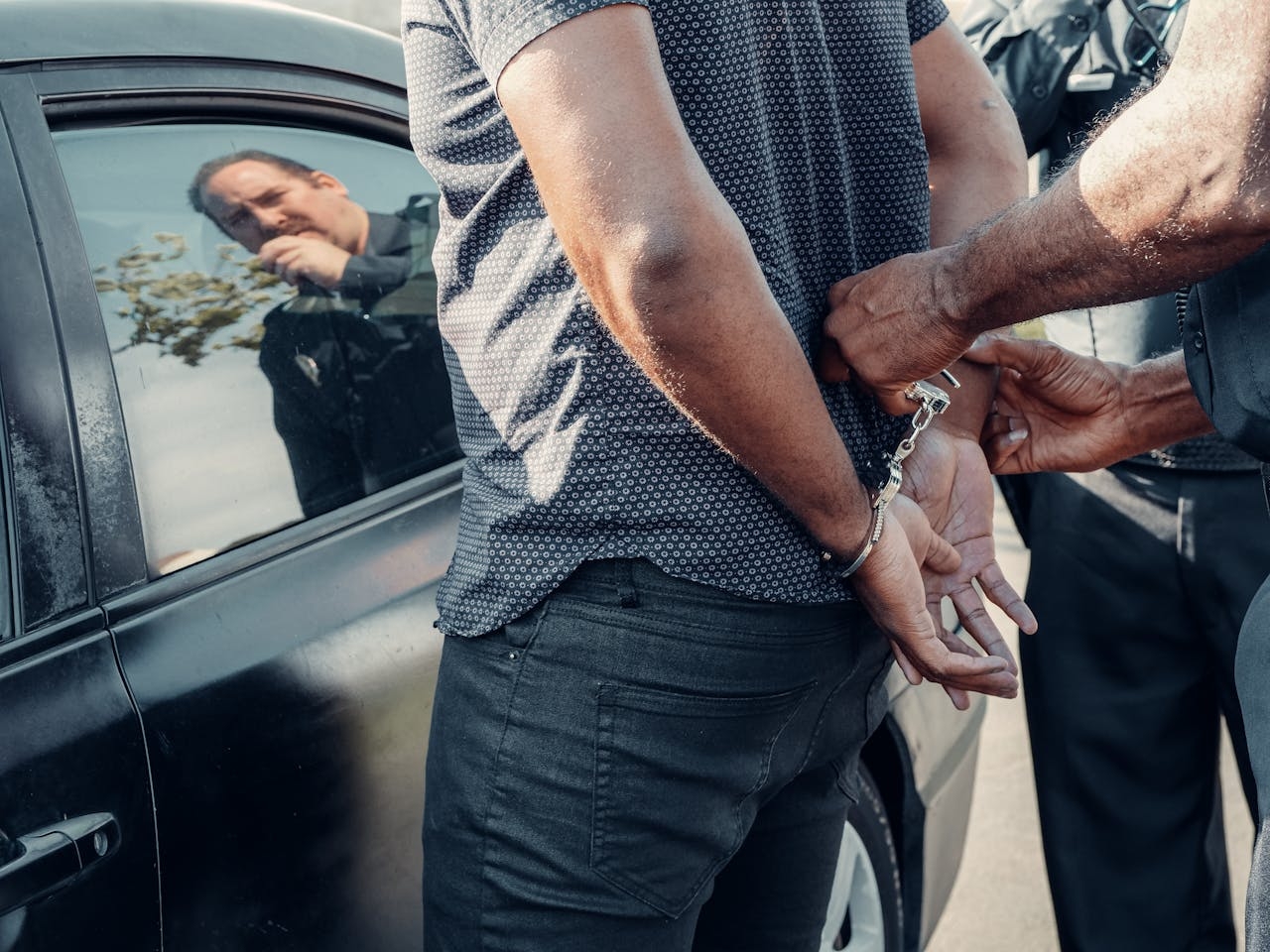
A traffic stop can turn serious in seconds.
One minute, you are pulled over for speeding, a broken taillight, or a lane change. The next, police are asking you and your passengers to step out of the vehicle. They search the car. They find drugs in the glove box, center console, back seat, trunk, purse, backpack, or under a seat. Suddenly, everyone is nervous, everyone is quiet, and you may be the one leaving in handcuffs.
If drugs were found in your car in Pennsylvania, the question is not always as simple as, “Whose car was it?” or “Where were you sitting?” In many cases, the Commonwealth must prove more than the fact that drugs were somewhere near you. In a constructive possession case, prosecutors need evidence that you knew the drugs were there and had the ability and intent to control them.
That distinction can matter tremendously.
At Muckler Law, we understand how stressful these cases can be for people in Luzerne County, Lackawanna County, and throughout Northeastern Pennsylvania. A drug charge can threaten your freedom, job, education, family stability, reputation, and, in some cases, driving privileges. It can also feel deeply unfair if the drugs were not yours, if other people were in the car, or if police assumed guilt before asking the right questions.
Here is what you need to know if police found drugs in your vehicle and prosecutors are trying to connect them to you.
Can You Be Charged With Drug Possession if the Drugs Were Not on You?
In Pennsylvania drug cases, prosecutors can try to prove possession in more than one way. Two important concepts are actual possession and constructive possession.
Actual possession is more straightforward. This usually means police claim the drugs were found directly on you, such as in your pocket, hand, wallet, bag, or clothing.
Constructive possession is different. Prosecutors use this concept when drugs were not found directly on your body but were found somewhere they claim you could access or control. Pennsylvania courts have described constructive possession as “conscious dominion,” meaning the person had the power to control the contraband and the intent to exercise that control.
Courts look at the totality of the circumstances rather than one single fact.
That means the Commonwealth can point to facts such as whether you were driving, whether you owned the vehicle, where the drugs were found, what you said, and whether officers claim your behavior showed knowledge.
But an accusation is not proof.
How Prosecutors Try to Connect You to Drugs Found in a Car
Pennsylvania’s Controlled Substance, Drug, Device and Cosmetic Act addresses multiple drug offenses, including possession of controlled substances and possession with intent to manufacture or deliver. In a vehicle case, the charge may depend on the substance involved, the amount, where it was found, and what other evidence police claim to have.
When drugs are found inside a vehicle, prosecutors look for facts they believe connect you to the drugs. These can include:
- Whether you owned the car
- Whether you were driving
- Whether the drugs were in plain view
- Whether the drugs were close to your seat
- Whether your fingerprints, DNA, or personal items were near the drugs
- Whether you made statements about the drugs
- Whether other passengers were present
- Whether the drugs were found in a shared area
- Whether police found cash, scales, baggies, or messages showing intent to distribute
- Whether officers claim they smelled marijuana, burnt marijuana, or another substance, and what they did after making that claim
- Whether you appeared nervous or allegedly tried to hide something
These details matter because a drug case is not just about where the substance was found. It is about whether the Commonwealth can connect that substance to you in a legally meaningful way.
If four people were in the vehicle and drugs were found under the back seat, the case may look very different from a situation where drugs were found in a driver’s jacket pocket. If the vehicle belonged to someone else, that matters. If you had just borrowed the car, that matters. If police searched a passenger’s backpack, that matters. If no one admitted ownership, that also matters.
Being the Driver or Vehicle Owner Does Not Automatically Prove the Drugs Were Yours
Many people believe that if drugs are found in their car, they are automatically responsible. That is not always true.
Yes, being the driver or owner of the vehicle can be a fact that the Commonwealth uses against you. But it does not end the analysis. Cars are often shared. Friends, relatives, coworkers, significant others, rideshare passengers, and acquaintances may all have access to a vehicle. Items can be left behind. A person may not know what someone else brought into the car.
The Commonwealth still has to address knowledge and control when drugs are found somewhere inside a vehicle. The prosecution still has to build a case based on the facts, not assumptions.
That is where a strong defense begins.
Can a Passenger Be Charged if Drugs Are Found in the Car?
Drivers are not the only people who can end up questioned, searched, or charged after drugs are found in a vehicle. If you were a passenger in a vehicle where drugs were found, police can still charge you, especially if the drugs were near your seat, in your bag, or in a place officers believe you could reach.
This can be terrifying, especially when you did not know there were drugs in the car. You may have accepted a ride, gotten into a friend’s vehicle, or been sitting in the wrong place at the wrong time.
In a passenger case, we look closely at the facts, including:
- Where exactly were the drugs found?
- Could you actually see or reach them?
- Did anyone else have better access to that area?
- Did police focus on one person while overlooking other people who had access?
- Did officers assume the drugs belonged to you because of where you were sitting?
- Were there statements, body camera footage, or inconsistencies in the police report?
- Did anyone else claim or deny ownership?
These details can shape the defense strategy.
Can Police Legally Search Your Car During a Pennsylvania Traffic Stop?
When drugs are found during a vehicle search, we need to look closely at how police found them.
Not every vehicle search is legal. Police need a lawful basis to stop a vehicle, extend the stop, detain the people inside, search the vehicle, or search bags and containers found inside it. Depending on the facts, search issues can involve consent, probable cause, reasonable suspicion, a search warrant, plain view, officer safety, inventory searches, odor, and whether officers went beyond what the law allows.
Pennsylvania vehicle-search law is not as simple as “police can search because it is a car.” Under Pennsylvania law, a warrantless vehicle search often requires more than probable cause, depending on the exception the Commonwealth relies on. At Muckler Law, we can review whether an exception to the warrant requirement actually applied and whether police followed the law before the drugs were found.
This is important because a strong defense does not always focus only on whether the drugs were yours. Often, these cases start with a focus on whether police were allowed to search the vehicle in the first place.
For example, we ask questions such as:
- Why did police stop the car?
- How long did the traffic stop last?
- Did officers have a lawful reason to extend the stop?
- Did officers ask for consent to search, and was that consent voluntary or limited?
- Did officers search a closed bag, purse, backpack, or container?
- Did police have body camera or dash camera footage?
- Did a K9 unit arrive, and if so, when?
- Did the police report match what happened on video?
If your constitutional rights were violated, there may be grounds to challenge the evidence. In some cases, that can change how the charge is evaluated or defended.
Why Drugs Found in a Car Can Lead to PWID Charges
Sometimes a vehicle search leads to more than a possession charge for personal use. Police and prosecutors can treat the case as possession with intent to deliver, commonly called PWID, when they believe the evidence points to more than personal use.
The Commonwealth can point to things like quantity, packaging, multiple baggies, scales, cash, text messages, ledgers, or alleged drug paraphernalia. But those facts still need careful review. Cash, packaging, or text messages may raise questions, but they do not automatically prove drug sales. In a shared vehicle, it is also important to look at where those items were found, who had access to them, and whether the Commonwealth can actually tie them to you.
When prosecutors argue that a case involves intent to deliver, the stakes can rise quickly. That is why it is important to have a Pennsylvania criminal defense lawyer review the evidence early.
Be Careful What You Say After Drugs Are Found
After a search, many people try to explain. They want to seem cooperative. They want to protect someone else. They want to convince police that this is all a misunderstanding.
That instinct can create serious problems.
Statements made during or after a traffic stop can become evidence. Even a nervous explanation can be misunderstood, taken out of context, or used in a way you did not expect.
- Saying “I did not know that was still in there” may sound harmless in the moment, but police may hear it as an admission that you knew about the drugs.
- Saying “those are not mine” does not necessarily stop charges from being filed, especially if police believe other facts connect you to the drugs.
- Saying “I was just holding it for someone” can create new problems because it can sound like an admission of possession.
If police found drugs in your car, stay respectful, provide the required identification, and do not discuss the drugs, who they belong to, or where they came from without legal counsel.
How Muckler Law Reviews Drug Charges After a Traffic Stop
At Muckler Law, we know that the police report is only one version of the story. That is why we look for what is missing, what was assumed, and what the Commonwealth may have trouble proving.
Depending on the case, we review issues such as:
- Why the traffic stop happened
- Whether police had a lawful basis to extend the stop or search the vehicle
- Body camera and dash camera footage
- Police reports and officer statements
- Passenger statements and witness information
- Where the drugs were found and who had access to that area
- Whether lab testing confirms the substance and amount alleged
- Chain of custody
- Whether reliable evidence connects the alleged substance to you
- Whether there are grounds to challenge the evidence
- Whether treatment, diversion, reduction, dismissal, negotiation, or trial strategy should be considered
Attorney Matthew Muckler’s background as a former Luzerne County prosecutor gives our team valuable insight into how the Commonwealth typically evaluates, charges, and negotiates criminal cases. We use that perspective to prepare carefully, challenge weak assumptions, and build a defense strategy around the facts, the evidence, and the legal issues that matter most.
When you contact Muckler Law, we take your case seriously from the start, explain what you are facing, and help you make informed decisions when the pressure is high.
Charged After Police Found Drugs in Your Car? Talk to Muckler Law Today
If police found drugs in your car in Luzerne County, Lackawanna County, or elsewhere in Northeastern Pennsylvania, do not assume the case is already decided.
The Commonwealth has to prove knowing or intentional possession. In a constructive possession case, that may mean proving facts that connect you to the drugs and show both power and intent to control them. The search itself could be a key issue. The police report may leave out important details. The facts may be more complicated than they first appear.
At Muckler Law, we are ready to listen to what happened, review the evidence, and help you understand your options. Your future is too important to leave to assumptions.
If you or your loved one is facing drug possession charges in Pennsylvania after a traffic stop, contact Muckler Law today to schedule a free consultation. Tell us what happened. We can help you understand the charge, the evidence, and the next step toward protecting your future.
Disclaimer: The articles on this blog are for informative purposes only and are no substitute for legal advice or an attorney-client relationship. If you are seeking legal advice, please contact our law firm directly.